Overwintering Alpine Jewels in Rain-Heavy Climates
In nature, high-altitude alpines rest beneath a steady blanket of dry, powdery snow from November until May. In lowland maritime regions, they face forty inches of freezing rain, slush, and fungal pressure.
1. The Alpine House Principle Outdoors
Botanical alpine houses are unheated glass structures engineered not to keep cold out, but to keep rain off and air constantly circulating. In an outdoor scree or crevice bed, we construct simple, removable winter rain panes.
A sheet of clean glass or UV-stabilized polycarbonate suspended 15cm above the plant cluster deflects continuous rain while leaving all four sides completely open to the wind. Never seal an alpine bed in plastic; trapped stagnant moisture produces total loss within a fortnight.
| Environmental Hazard | Botanical Consequence | Engineering Countermeasure |
|---|---|---|
| Prolonged Sleet / Drizzle | Waterlogging of rosettes; Botrytis blight | Glass rain lights pitched at 10 degrees |
| Winter Thaw Freeze-Cycles | Frost heave ejecting roots from crevices | Deep stone collar tamping; heavy limestone wedges |
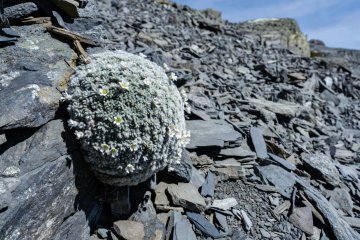
| Lowland Stagnant Humidity | Foliar mold in woolly species (Androsace) | Elevation on exposed mounds; coarse tufa gravel mulch |
| Early Warm Spells (False Spring) | Premature sap flow followed by bud death | Shading from low winter sun via vertical north-facing slabs |
2. The Grit Collar Renovation
Before winter storms commence in October, inspect each cushion. Carefully remove any fallen autumn tree leaves, which rot rapidly and transmit fungal spores to the evergreen rosettes.
Work a fresh handful of sharp 4mm angular quartz grit beneath the lower skirts of the cushion, lifting the foliage slightly off the substrate. This ensures that even when the surrounding garden is drenched, the vital vegetative crown rests entirely upon dry mineral stone.